Quick Summary / Key Takeaways
- Building a custom home in Arkansas starts with a clear vision and a realistic budget, so decisions stay practical from day one.
- Working with a local builder like Silver Field Construction helps you navigate land selection, design decisions, permits, and construction with fewer surprises.
- Careful planning early on — especially around lot conditions, layout, and material choices — prevents costly changes once construction is underway.
- The custom home process moves through clear phases, from site preparation and framing to finishes and final inspections, and each stage builds on the last.
- Consistent communication with your builder keeps timelines realistic, budgets transparent, and your home aligned with how you actually plan to live in it.
Introduction

Building a custom home in Arkansas is an exciting journey. It gives you the opportunity to shape a home around how you live, not just fit into what already exists. At the same time, it is a major investment, both financially and personally, which makes understanding the process just as important as the final result.
Many homeowners start with the same questions. How much does it cost to build a custom home? Where do you begin? What decisions matter most early on? This step by step guide walks through how to build a custom home in Arkansas, from early planning and lot selection to design, permits, construction, and move in day.
The custom home building process can feel overwhelming if you do not know what comes next. Breaking it into clear phases helps you plan with confidence and avoid costly surprises. This guide focuses on what to expect at each stage, how decisions affect budget and timeline, and where careful planning makes the biggest difference.
As a local custom home builder, Silver Field Construction believes in clear communication, realistic expectations, and steady guidance from start to finish. The goal is simple: help you understand the process so your home is built thoughtfully, efficiently, and with care. From the first idea to the final walkthrough, knowing the steps makes the journey smoother and far more rewarding.
Key Phases and Timelines for Building a Custom Home in Arkansas
| Phase | What Happens | Typical Timeframe | What to Keep in Mind |
|---|---|---|---|
| Planning and Design | Lot evaluation, budget planning, builder selection, plan adjustments | 2 to 6 months | Budget clarity, lot suitability, builder fit |
| Permits and Site Preparation | Permits, approvals, clearing, grading, foundation prep | 1 to 3 months | City or county requirements, soil conditions, utility access |
| Construction | Foundation, framing, rough ins, exterior and interior finishes | 6 to 12 months | Communication, inspections, material selections |
| Finalization and Move In | Final inspections, punch list, walkthrough, closing | 1 to 2 months | Warranty details, final payments, utilities |
Typical Cost Breakdown for a Custom Home in Arkansas
| Cost Category | Percentage of Total Budget | Key Components | Impact on 'how much to build a custom home |
|---|---|---|---|
| Land & Site Work | 15 to 25 percent | Lot purchase, clearing, grading, excavation | Soil type, slope, utility distance |
| Design & Permits | 5 to 10 percent | Architectural fees, engineering, permits | Plan complexity, local requirements |
| Materials & Labor | 50 to 60 percent | Framing, roofing, HVAC, plumbing, electrical | Square footage, finish level, craftsmanship |
| Finishing & Contingency | 10 to 15 percent | Flooring, cabinets, appliances, buffer | Personal choices, market changes |
Application Preparation Checklist
- Define your vision and lifestyle needs for the new home.
- Establish a realistic budget, including a contingency fund.
- Research and select a qualified custom home builder in Arkansas.
- Secure financing pre-approval to understand your borrowing capacity.
Post-Arrival Checklist
- Conduct regular site visits with your builder to monitor progress.
- Review and approve all material selections and change orders promptly.
- Maintain clear communication channels with your construction team.
- Prepare for final inspections and the closing process.
Table of Contents
Section 1: FIRST STEPS TO BUILDING A CUSTOM HOME IN ARKANSAS
Section 2: DESIGN AND PLANNING YOUR CUSTOM HOME IN ARKANSAS
Frequently Asked Questions
Section 1: FIRST STEPS TO BUILDING A CUSTOM HOME IN ARKANSAS
FAQ 1: What is the first step in building a custom home in Arkansas?
The first step is getting clear on how you want to live in your home and what budget makes sense for your situation. Before plans or permits, it helps to outline your must-haves, preferred layout, and overall price range. That clarity sets the foundation for every decision that follows.
At this stage, we often talk through feasibility, ballpark costs, and how your ideas align with land, zoning, and construction realities in Central Arkansas. Starting with honest expectations helps avoid surprises later and keeps the process steady from the beginning.
FAQ 2: How do I choose the right lot for my custom home?
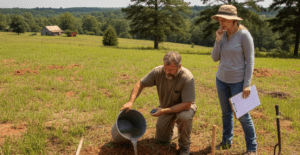
Choosing the right lot starts with understanding how the land will support the home you want to build. Location matters, but so does what’s below the surface. You’ll want to consider school districts, commute times, and nearby amenities, along with the lot’s slope, drainage, and soil conditions, since these directly affect foundation design and site preparation costs.
We often help homeowners evaluate lots before they buy. That includes checking access to utilities like water, sewer, electricity, or gas, and flagging any zoning rules, HOA guidelines, or city requirements that could impact your plans. A good lot isn’t just about looks. It’s about making sure your home can be built efficiently, on budget, and without surprises.
FAQ 3: What should I consider for my initial budget when planning to build?
When setting your initial budget for a custom home, it’s important to look beyond just construction costs. Your budget should account for land or lot costs, site preparation, design and planning fees, permits, construction, and finish selections. Items like grading, utilities, or foundation work can vary widely depending on the property, so those need to be considered early.
We also recommend building in a contingency, typically around 10–15%, to cover unexpected conditions or changes along the way. Early conversations with your builder help clarify what’s realistic for your goals and prevent surprises later. A well-planned budget gives you clearer expectations and keeps the build moving smoothly from start to finish.
FAQ 4: How do I find a reputable custom home builder in Arkansas?
Finding a reputable custom home builder in Arkansas starts with looking local. Ask for referrals, read verified reviews, and make sure the builder is properly licensed and insured. Past client feedback is especially valuable for understanding how a builder communicates, manages timelines, and handles challenges during construction.
You’ll also want to review completed projects to see if their craftsmanship and style align with what you’re envisioning. A trustworthy builder will be upfront about their process, explain costs clearly, and take time to answer questions before construction begins. From our experience, strong communication and transparency early on are often the best indicators of a smooth build.
Section 2: DESIGN AND PLANNING YOUR CUSTOM HOME IN ARKANSAS
FAQ 5: What does the custom home design process involve?
The custom home design process begins with a detailed conversation about how you live, what you need from your home, and the budget you want to stay within. From there, the focus shifts to selecting an existing floor plan that fits your goals or bringing a plan you already like. Adjustments are then made through in-house CAD services, such as resizing rooms, changing layouts, or moving doors and windows to better suit your lifestyle and lot.
Once the layout is finalized, those plans are prepared for permitting and construction. This step ensures the design aligns with local building codes, site conditions, and construction requirements before any work begins. Taking the time to plan carefully upfront helps prevent delays, budget surprises, and major changes later in the build.
FAQ 6: How important are architectural plans and blueprints?
Architectural plans and blueprints are essential because they act as the instruction manual for building your home the right way. They define the layout, structure, electrical and plumbing locations, and material specifications so every trade is working from the same clear set of expectations. Without accurate plans, small assumptions can turn into delays, rework, or budget overruns.
At Silver Field Construction, we rely on detailed plans to keep projects moving smoothly and on schedule. Whether you bring an existing plan or choose one we help refine, our in-house CAD adjustments ensure the drawings match your lot, local codes, and the way you want your home to function before construction begins.
FAQ 7: What permits and approvals do I need for custom home construction? What permits and approvals do I need for custom home construction? What permits and approvals do I need for custom home construction?
Custom home construction in Arkansas typically requires a building permit along with separate approvals for electrical, plumbing, and HVAC work. Depending on where you’re building, additional permits may be needed for zoning compliance, septic systems, well installation, or site-specific conditions such as drainage or slope requirements. Each city and county can have slightly different rules, which is why local experience matters.
At Silver Field Construction, we handle the permitting and approval process as part of the build. We coordinate with local planning departments, inspectors, and utility providers to make sure everything is approved before construction begins, so there are no delays once work is underway.
FAQ 8: How do I make design choices that fit my budget?
Making design choices that fit your budget starts with clearly separating your must haves from your nice to haves early in the planning phase. We help you walk through layouts, materials, and finishes so you understand where your money has the greatest impact. Simple floor plans, standard window and door sizes, and straightforward roof designs often keep costs more predictable without sacrificing comfort or durability.
As your builder, we also guide you toward materials and finishes that offer long term value without unnecessary upgrades. In many cases, small design adjustments made early can prevent expensive changes later. Our role is to help you make informed decisions so your home stays within budget while still feeling personal and thoughtfully built.