Quick Summary / Key Takeaways
- Start with a clear master plan so your landscaping supports your home’s layout and any future additions like patios or outdoor living areas.
- Prioritize proper grading and drainage first. In Central Arkansas, heavy rain and clay soil can cause standing water if the yard is not shaped correctly. Protecting your foundation comes before planting flowers.
- Choose native and heat-tolerant plants that can handle Arkansas summers. This reduces watering needs and replacement costs during the first year.
- Install irrigation sleeves or sprinkler lines before sod goes down. It is far easier and more affordable than cutting into a finished lawn later.
- Create outdoor spaces with purpose. Leave room for growth, shade trees, and gathering areas instead of filling every open spot with plants right away.
Introduction

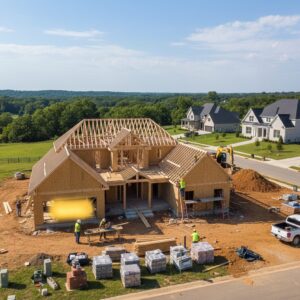
When you finish building a home, the yard is often the last thing on your mind. But practical new home landscaping ideas should start early, ideally while construction is still underway. In Central Arkansas, clay soil, heavy rain, and long summer heat can create drainage and maintenance issues if you do not plan ahead. A yard that works with the land instead of fighting it will protect your foundation and save you time and money later.
You do not have to complete everything in the first season. Focus on the essentials first. Make sure grading directs water away from your home. Choose heat-tolerant plants that fit Arkansas conditions. Install irrigation lines before sod goes down. Then build in phases as your budget allows. A simple, well-planned approach keeps your yard manageable during that important first year.
This guide walks you through practical steps that support your home long term, from drainage and budgeting to plant selection and tree placement. If you are building in Little Rock or anywhere across Central Arkansas, start with a plan that fits your lot and your lifestyle. When you are ready to talk through your build from foundation to final details, we are here to help you do it right the first time.
First-Year Ground Cover Options for New Homes in Central Arkansas
| Ground Cover Method | Initial Cost | Water Needs (First Year) | Ongoing Maintenance |
|---|---|---|---|
| Bermuda Sod | Moderate | Moderate to High during establishment | Regular mowing and seasonal fertilizing |
| Hydroseeding | Low | High during germination and early growth | Frequent watering and weed control early on |
| Mulched Beds | Low to Moderate | Moderate | Annual mulch refresh and light weeding |
| River Rock | High | Very Low | Occasional weed control and debris removal |
Practical Plant Choices for Your First Year
| Plant Category | Recommended Variety | Sun Requirement | Practical Benefit |
|---|---|---|---|
| Shade Tree | Red Maple or Native Oak | Full Sun | Summer shade and long-term structure |
| Privacy Hedge | Nellie Stevens Holly | Full or Part | Year-round evergreen screening |
| Flowering Shrub | Knock Out Rose | Full Sun | Long bloom season with moderate care |
| Groundcover | Mondo Grass | Partial to Full Shade | Low mowing needs in shaded areas |
Before You Break Ground on Landscaping: First-Year Planning Checklist
- Test your soil to understand nutrient needs before buying sod, plants, or amendments. Central Arkansas soil can vary widely, even lot to lot.
- Confirm final grading directs water away from the foundation to prevent pooling and long-term moisture issues.
- Flag future patios, decks, or walkways so trees and large shrubs are not planted where hardscape will go later.
- Set a realistic landscaping budget that includes plants, soil prep, mulch, and any hardscape materials you plan to phase in.
After Installation: First-Year Yard Care Checklist
- Water new trees and shrubs deeply and consistently to help roots establish through the first summer.
- Refresh mulch around beds to hold moisture, protect roots, and reduce weed growth during hot months.
- Inspect new sod every couple of weeks for stress, pests, or disease so issues can be corrected early.
- Check tree stakes and ties to ensure trunks can move slightly, which helps them grow stronger rather than becoming dependent on supports.
Table of Contents
Section 1: FIRST-YEAR LANDSCAPING PLAN AND BUDGET BASICS
Section 2: SMART PLANT CHOICES AND EASY CARE FOR ARKANSAS YARDS
Frequently Asked Questions
Section 1: FIRST-YEAR LANDSCAPING PLAN AND BUDGET BASICS
FAQ 1: How do I start planning my yard?
The best way to start planning your yard is by creating a simple master plan that maps out drainage, sun exposure, and future features before you plant anything. Walk your lot and study how water moves after a rain, especially here in Central Arkansas where clay soil can hold moisture. Make sure grading directs water away from your foundation first. Then think ahead. If you plan to add a patio, shop, or outdoor kitchen in a few years, do not plant large trees or install irrigation lines in those areas. It is much easier to install drainage pipes or sprinkler sleeves before sod goes down than to tear up a finished lawn later.
As builders, we see how small planning decisions early on protect your investment long term. Start with the structure of your yard just like you did with your home. Once drainage and layout are handled, you can build out landscaping in phases with confidence.

FAQ 2: What is a realistic budget for a new yard?
A realistic landscaping budget for a new home is often 5 to 10 percent of your home’s value, depending on how finished you want the yard to be in the first year. For example, on a $400,000 home, that could range from $20,000 to $40,000 if you are installing sod, irrigation, trees, walkways, and basic planting beds. In Central Arkansas, costs can vary based on lot size, grading needs, drainage work, and whether you are adding hardscape like patios or retaining walls.
We always recommend phasing it out if needed. Start with what protects your home first. That means proper grading, drainage, and a healthy lawn. Then add shade trees and foundational shrubs. Decorative flowers and outdoor features can come later. Just like building your home, landscaping works best when you set a clear budget and build in smart stages.
FAQ 3: Should I hire a pro or DIY?
For most new homes, it is smart to hire a professional for grading, drainage, and irrigation, then decide if you want to handle planting and mulching yourself. In Central Arkansas, soil type and slope matter. Poor grading can send water toward your foundation instead of away from it. That is not something you want to experiment with. A contractor with the right equipment can shape the yard correctly the first time and install proper drainage solutions before sod goes down.
Once the structure of your yard is right, you can save money by planting shrubs, spreading mulch, or adding flower beds on your own. We build homes to last, and the ground around your home matters just as much as what is inside the walls. It is usually more affordable to pay for expert grading once than to repair foundation or crawlspace moisture problems later.
FAQ 4: When is the best time to plant?
The best time to plant in Arkansas is fall, especially from late September through November, when the soil is still warm but the air is cooler. That combination allows roots to establish without the stress of summer heat. In Central Arkansas, planting in October often gives trees and shrubs several months to build strong root systems before next June’s heat arrives. Spring planting can work, but you will need to water consistently through the first summer. July and August are the toughest months for new plants because heat and humidity put them under stress.
When we complete a home, we often remind homeowners that landscaping is part of protecting your investment. Planting at the right time reduces replacement costs and helps your yard take hold faster. A well-timed start keeps your home looking established sooner rather than struggling through its first summer.
Section 2: SMART PLANT CHOICES AND EASY CARE FOR ARKANSAS YARDS
FAQ 5: Which plants survive Arkansas heat best?
Native and heat-tolerant plants survive Arkansas heat best because they are already adapted to long summers, humidity, and periods of limited rainfall. In Central Arkansas, dependable options include Oakleaf Hydrangea, Purple Coneflower, Black-Eyed Susan, Arkansas Blue Star, boxwood, dwarf yaupon holly, and abelia. For lawns, Bermuda and Zoysia grasses are commonly used because they handle full sun and high temperatures better than cool-season varieties.
Choosing plants suited to Little Rock and surrounding areas like Benton, Bryant, Cabot, and Maumelle helps reduce watering demands and replacement costs during the first year. A yard that matches Arkansas conditions supports the overall quality and longevity of your home without adding unnecessary maintenance.
FAQ 6: How do I keep my new lawn alive?
To keep your new lawn alive in Arkansas, water deeply and less frequently so roots grow several inches into the soil instead of staying near the surface. For Bermuda or Zoysia, which are common in Central Arkansas, aim for about one inch of water per week during the growing season. That usually means two deeper watering sessions instead of daily light watering. Mow at the proper height for your grass type and avoid cutting more than one third of the blade at a time. Taller grass helps shade the soil and reduces moisture loss during peak summer heat.
Drainage also matters. During construction, we grade your lot so water flows away from your foundation, which helps protect both your home and your lawn. If you notice standing water after a rain, address it early before it damages sod or creates bare spots. A lawn that drains well and receives consistent, deep watering has a much better chance of staying healthy through its first Arkansas summer.
FAQ 7: What are low-maintenance shrub options?
Low-maintenance shrub options for Central Arkansas include boxwood, dwarf yaupon holly, abelia, and certain varieties of spirea. Boxwoods and dwarf yaupon hollies stay evergreen through winter and typically require light shaping once or twice a year. Abelia handles heat well and produces small blooms without constant trimming. These shrubs hold their shape, tolerate full sun, and perform reliably in our region’s clay-heavy soil when properly installed.
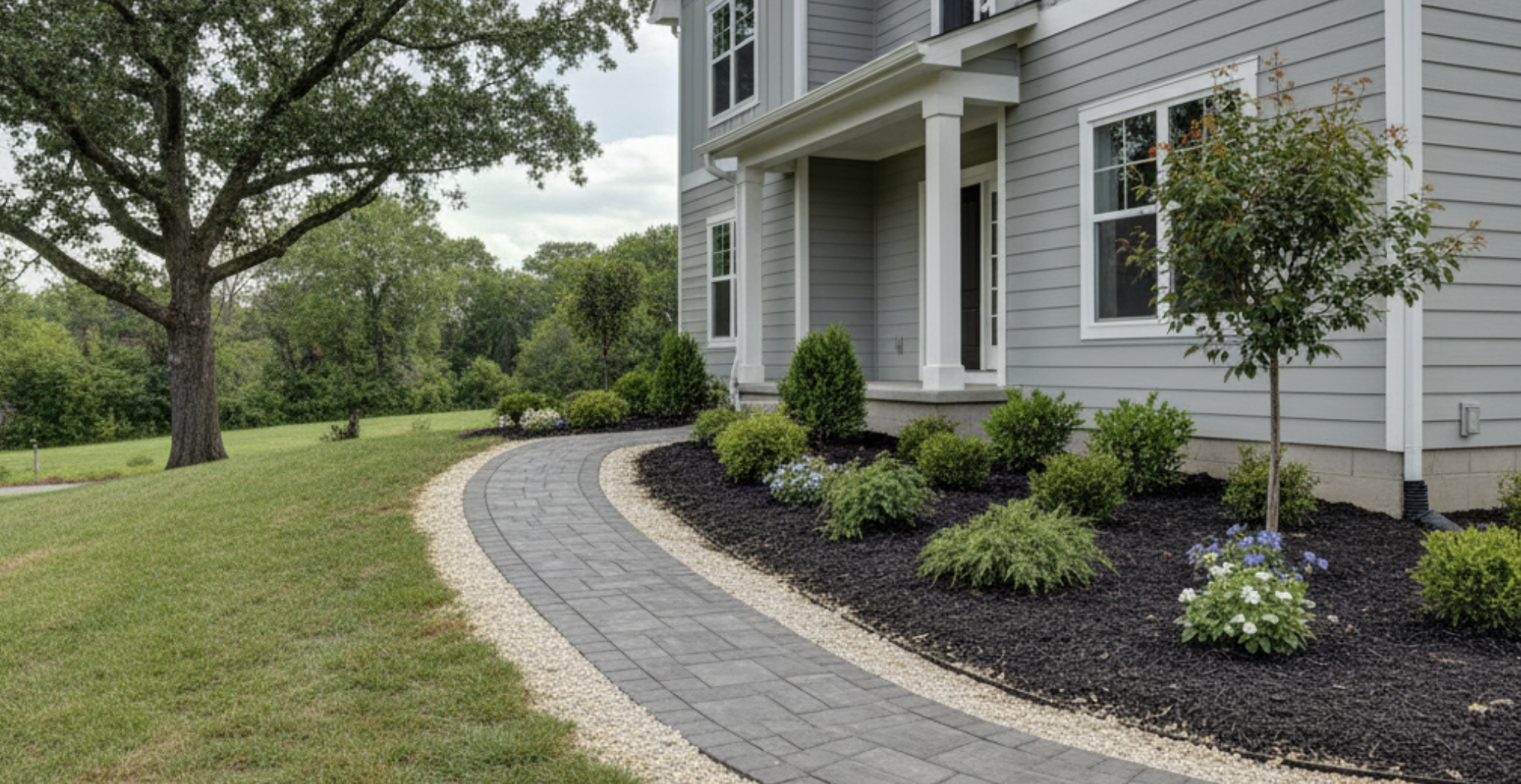
If you want structure around your foundation without constant upkeep, these varieties are practical choices. Pairing evergreen shrubs with ornamental grasses like muhly grass adds texture without increasing maintenance. A simple, well-planned foundation bed keeps your home looking finished without turning yard care into a full-time job.
FAQ 8: How many trees should I plant?
For most new homes in Central Arkansas, planting two to three well-placed trees during the first year is a practical starting point. That gives you shade, structure, and long-term value without overcrowding your lot. Large shade trees like oak or maple should generally be planted at least 15 to 20 feet away from your foundation, depending on mature size, to protect your home from root interference and overhanging branches. Always plan based on how big the tree will be in 20 years, not how it looks in a nursery container.
A good mix is one deciduous shade tree for summer cooling and, if space allows, one evergreen for year-round screening or wind protection. Thoughtful placement matters just as much as quantity. A few well-positioned trees can frame your home, improve curb appeal, and support energy efficiency without creating maintenance problems down the road.