April 1, 2026

Home Builders

What Are Builder Allowances in a Custom Home? A Straightforward Guide for Homeowners

Understanding Budget Placeholders for Your Custom Home Selection Quick Summary / Key Takeaways A builder allowance is a set budget in your contract for items you have not picked out yet. Realistic allowances help you build a more realistic budget and avoid surprises later. If your final selections cost more than the allowance, you will usually pay the difference. The more detail you include in your plans and selections, the less you need to rely on allowances. Clear communication with your builder helps keep your selections, budget, and timeline on track from start to finish. Introduction Building a custom home in Central Arkansas is exciting, but it also comes with a lot of decisions. When you sign your contract, you may not have every finish and fixture picked out yet, from the kitchen faucet to the hardwood flooring in your living room. That is where builder allowances come in. They give your budget a placeholder for certain items while you finish making those choices. Understanding how allowances work matters because they can affect your budget as the project moves forward. These numbers are usually based on selections that fit the size, style, and finish level of your home, but your final choices may come in higher or lower. At Silver Field Construction, we walk you through those numbers clearly so you know what to expect and can make decisions for your home before costs catch you off guard. Common Builder Allowance Categories and Typical Ranges Category What It Covers Average Range When You Usually Choose It Flooring Hardwood, tile, and other finished flooring materials $4 – $12 per sq ft Before drywall goes up Lighting Light fixtures throughout the home $3,000 – $7,500 During rough-in Appliances Kitchen and laundry appliances $4,000 – $12,000 During cabinet planning Countertops Kitchen and bathroom countertops $60 – $120 per sq ft After framing is complete Allowance vs. Fixed Cost: What Homeowners Should Know Home Item How Builders Usually Price It Chance of Cost Changes When It Makes Sense Custom Cabinets Allowance Moderate When you are still finalizing your layout or finish choices Roof Shingles Fixed Cost Low When the material and design are already decided Plumbing Fixtures Allowance High When personal style and finish choices can vary a lot Framing Lumber Fixed Cost Low When pricing a main structural part of your home Before You Meet With Your Builder Set a clear budget for finishes and fixtures before you sit down with your builder. Visit Central Arkansas showrooms so you can see real materials and get a better feel for actual pricing. Ask whether each builder allowance covers materials only or both materials and labor. Request a clear allowance breakdown in your contract so you know exactly what is included. After You Start Making Selections Keep a simple running list of each selection and compare each one to the allowance amount in your contract. If you choose something over budget, ask for a written change order right away so the added cost stays clear. Make your selections as early as you can to help avoid delays and price changes. Review your final invoice carefully to make sure any credits for lower-priced selections are applied correctly. Table of Contents Section 1: BASICS OF CONSTRUCTION ALLOWANCES 1. What is an allowance in construction? 2. What are typical allowances for new home construction? 3. How do builders calculate these budget placeholders? Section 2: MANAGING YOUR BUDGET 4. What happens if I go over my allotted budget? 5. Can I get a credit if I spend less than the allowance? 6. Why do builders use allowances instead of fixed prices? Section 3: SELECTION BEST PRACTICES 7. Which items are most commonly covered by allowances? 8. How can I avoid surprise costs during the selection process? Frequently Asked Questions Section 1: BASICS OF CONSTRUCTION ALLOWANCES FAQ 1: What is a builder allowance in construction? A builder allowance is a set dollar amount in your contract for items you have not chosen yet. It works as a placeholder in your budget for selections like flooring, lighting, or other finishes that will be picked later. Your builder usually sets these amounts based on the type of home you are building and what similar selections typically cost in Central Arkansas. If you choose an item that costs more than the allowance, you will usually pay the difference. Takeaway: Think of allowances as budget placeholders for parts of your home you still need to choose. ↑ Back to Table of Contents FAQ 2: What are typical allowances for new home construction? Typical builder allowances usually cover finish items like flooring, cabinets, countertops, light fixtures, and kitchen appliances. These are the parts of the home where your personal style has the biggest impact on price. Builders often set these amounts based on the size of the home, the overall budget, and the finish level of your home. Understanding typical allowances helps you see whether the numbers in your contract make sense for the selections you have in mind. Takeaway: Most allowances cover finish selections like flooring, cabinets, and lighting, where your choices can change the final cost of your home. ↑ Back to Table of Contents FAQ 3: How do builders come up with these allowance amounts? Builders usually set allowances by looking at what similar selections have cost on past homes with a similar size, layout, and finish level. They estimate how much material will be needed, then apply a local price range based on current Central Arkansas costs. That gives you and your builder a starting number in the contract, even if not every finish has been picked yet. At Silver Field Construction, we work to keep those numbers realistic, so your budget reflects the kind of home you plan to build. Takeaway: Builders usually base allowance amounts on past projects, material quantities, and current local pricing to create a realistic starting budget. ↑ Back to Table of Contents Section 2: MANAGING YOUR BUDGET FAQ 4: What happens if I go
Custom Home Builders, Tiny Home Arkansas

Things to Consider Before Building a Custom Home in Arkansas: A Practical Checklist for Homeowners

Expert Advice for Planning Your First Custom Build in Central Arkansas Quick Summary / Key Takeaways Set your total budget early, and leave room for unexpected site work, permit costs, or material price changes. Before you buy land, make sure it fits the kind of home you want to build by looking at utilities, soil conditions, access, and other site needs. Choose a local builder who understands Arkansas building requirements and communicates clearly from start to finish. Focus on a home layout that fits the way you live now and will still work well for you years from now. Build your timeline with some margin, because weather, inspections, and material lead times can all affect the schedule. Introduction Building a custom home is a big decision, and in Central Arkansas, it takes more than choosing a floor plan and getting started. Before any site work begins, it helps to understand the whole picture of your build, including your land, your budget, your timeline, and the day-to-day needs your home should meet. The more clearly you plan early, the smoother the building process tends to be. When you start thinking about a custom home, it is easy to focus on the exciting parts like kitchen layouts, porch designs, or extra space for family and guests. Those details matter, but good planning matters just as much. It is important to look closely at your finances, how you want to live in the home, and whether the lot you choose truly fits the kind of house you want to build. A practical checklist can help you stay organized and catch important details early. At Silver Field Construction, we believe a good build starts with clear expectations and honest conversations. Our job is to help you make informed decisions early, so your plan fits your budget, your property, and your long-term needs. When you take the time to plan well and work with a local builder who communicates clearly, you can move forward with more confidence and build a home that feels right for your family and your future. Budget Categories to Plan for When Building a Custom Home in Arkansas Expense Category Typical % of Budget Priority Level Arkansas Factor Land Purchase 15-25% Sets the starting point for the rest of your budget Location, acreage, and county-specific pricing Site Preparation 5-10% Can change quickly if the lot needs more work than expected Rock, drainage, slope, and soil conditions Construction Labor 30-40% Often makes up one of the biggest parts of the build budget Local trade availability and scheduling Finishes and Fixtures 15-20% Depends on the selections you make for your home Material choices and delivery to rural areas Estimated Construction Timelines for Central Arkansas Phase of the Build Typical Timeframe What Happens in This Stage What Can Cause Delays Pre-Construction 2-4 Months Design work, budgeting, permits, and final site planning Permit approvals, zoning questions, or design changes Foundation and Frame 2-3 Months Site work, foundation pour, framing, and roof structure Heavy rain, wet ground, or other weather issues Rough-ins and Drywall About 2 months HVAC, plumbing, electrical, inspections, and drywall installation Inspection scheduling or trade delays Interior Finishing 3-4 Months Cabinets, flooring, trim, paint, fixtures, and final details Custom orders, shipping delays, or late selections Before You Commit to Building Get pre-approval for a construction loan from a local Arkansas lender who understands custom home building. Make a clear list of your must-haves and the upgrades that would be nice to add if your budget allows. Have the lot surveyed and the soil tested so you know the property is a good fit for your home and the type of foundation it may need. Talk with at least three custom home builders and check recent references from homeowners in Central Arkansas. As Your Build Moves Forward Go over the full line-item contract with your builder so the work, materials, fixtures, and finishes are clearly spelled out. Set up regular site visits and progress check-ins so communication stays clear throughout the build. Make sure all required permits are in place and posted as required by your local city or county. Before move-in, walk the home carefully and make a punch list of any small items that still need to be finished or corrected. Table of Contents Section 1: FINANCIAL PLANNING 1. How do I set a realistic budget for my custom home build? 2. What are the differences between a construction loan and a traditional mortgage? Section 2: LAND AND LOCATION 3. What should I look for when evaluating a potential building lot? 4. How do local zoning laws and utilities affect my building plans? Section 3: DESIGN AND BUILDER SELECTION 5. How do I choose the right builder for my project in Arkansas? 6. What are the most important layout features for long-term satisfaction? Section 4: LOGISTICS AND TIMING 7. How long does the custom home building process typically take? 8. How can I maintain effective communication with my builder throughout construction? Frequently Asked Questions Section 1: FINANCIAL PLANNING FAQ 1: How do I set a realistic budget for my custom home build? Setting a realistic budget starts with looking at the full cost of the project, not just the house itself. You need to account for the land, construction costs, site work, permits, utility connections, and a cushion for unexpected expenses during the build. Before you get too attached to a certain floor plan, it helps to talk with a local lender in Central Arkansas so you have a clear understanding of what fits your budget. A lot of homeowners are surprised by costs tied to the lot, especially things like grading, drainage, utility runs, soil work, or permit fees. Those items can add up quickly, which is why they need to be part of the conversation early. When you know your budget range upfront, it becomes easier to make practical decisions about layout, finishes, and upgrades without losing sight of your overall budget. Takeaway: A realistic custom home budget should

Tiny Home Arkansas

Perc Test for Land in Arkansas: Cost, Process, and Septic Rules Homeowners Should Know

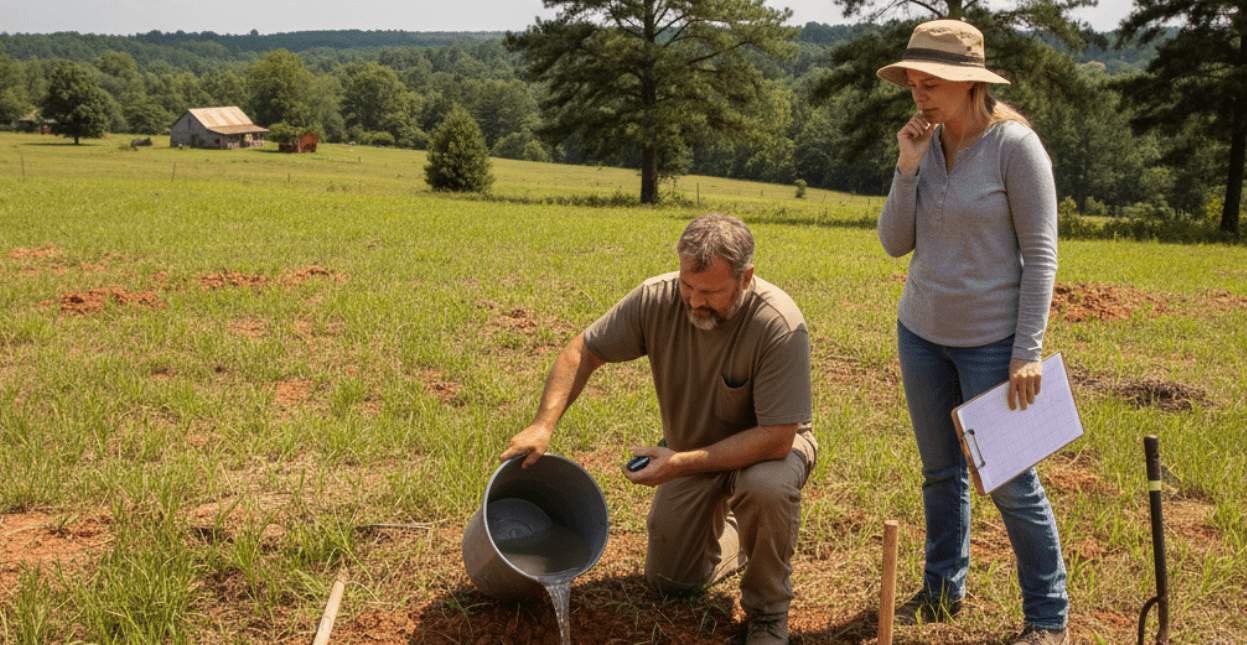
Essential Steps for Building Your Dream Home on Arkansas Soil Quick Summary / Key Takeaways A perc test shows whether the soil on your land can absorb wastewater at a safe rate for a septic system. In Arkansas, this test is often part of the process before septic approval and home construction can move forward on rural land. If the land does not pass, you may need a different septic system, which can raise the cost of building. Soil conditions across Central Arkansas can vary quite a bit, and that can affect the type of system your property needs. Understanding perc testing early helps you plan your budget, avoid surprises, and make better decisions before you buy land or start building. Introduction When you find a piece of land in Central Arkansas that feels right, it is easy to focus on the view, the location, or the price. But before you get too far into house plans, it is important to understand how the soil may affect your build. If your home will need a septic system, one of the first things to look at is whether the land can handle it. That is where a percolation test comes in. A perc test checks how well water moves through the soil. That helps determine whether the ground can safely support a septic system. If the soil drains too slowly or too quickly, a standard system may not work, and that can affect your building plans and your budget. This is one of those early steps that can save you from bigger surprises later. Many homeowners choose a lot before they know how the land will perform. That is understandable, but soil conditions matter just as much as location when you are building outside a city sewer area. Across Arkansas, and especially here in Central Arkansas, soil can vary a lot from one property to the next. Some lots drain well. Others have heavier clay or mixed soil conditions that may require a different septic design. That is why it helps to talk about perc testing early. It helps you understand what your land may require, what your septic options might look like, and how those choices can affect overall cost. When you know that upfront, you can make better decisions for your home, your timeline, and your budget. A percolation test is not just another box to check. It is part of understanding whether your land is ready for the kind of home you want to build. Estimated Arkansas Perc Test Costs and Timing for Your Build Service or Requirement Typical Cost Range Typical Timeline What Can Affect Cost Basic Perc Test $300 – $600 1-2 Days Soil Type Soil Morphology Review $500 – $900 3-5 Days Depth to Rock Engineered Septic Plan $800 – $1,500 1-2 Weeks System Complexity Permit Fees $150 – $400 Varies by county Local county rules How Soil Drainage Can Affect Your Septic System Options Perc Rate (minutes per inch) How the Soil Drains Septic System That May Be Needed What It May Mean for Your Build 1 – 15 MPI Very fast drainage Conventional system Usually a strong fit for a standard system 16 – 45 MPI Moderate drainage Standard trench system Often works well for many homesites 46 – 60 MPI Slow drainage Low-pressure pipe (LPP) or mound system May need a more specialized setup Over 60 MPI Very slow drainage Aerobic system May require a more advanced septic system Before You Schedule a Perc Test Confirm your property lines and clearly mark the area where you plan to build. Contact a licensed Arkansas septic designer or designated representative to get pricing and understand the next steps. Clear heavy brush, debris, or overgrowth from the planned drain field area so the site can be tested properly. Check with your local health department to understand any county-specific requirements, forms, or permit fees. After You Receive the Test Results Review the soil report with your builder and septic installer so you understand what the lot can support. Apply for the septic permit through the Arkansas Department of Health once the required testing and planning steps are complete. Update your construction budget if your lot needs a different or more advanced septic system. Keep a copy of the perc test and soil report with your property records for future use. Table of Contents Section 1: UNDERSTANDING THE BASICS 1. What is a perc test for land and why do I need one? 2. How deep are the holes dug for a standard perc test? Section 2: COSTS AND PROFESSIONALS 3. How much does a perc test cost in Arkansas? 4. Who is authorized to perform a perc test in Arkansas? Section 3: RESULTS AND IMPLICATIONS 5. What happens if the soil fails a perc test? 6. What is the perc test meaning for property value? Section 4: LOGISTICS AND TIMING 7. How long are perc test results valid in Arkansas? 8. Does the time of year affect perc test results? Frequently Asked Questions Section 1: UNDERSTANDING THE BASICS FAQ 1: What is a perc test for land and why do I need one? A perc test is a soil test that shows whether your lot can support a septic system. It usually involves digging test holes and checking how quickly water moves through the soil. This matters because the results can affect what type of septic system your property may need, or whether a standard system will work at all. In Arkansas, a perc test is often part of the septic approval process before you can move forward with building on land that is not connected to city sewer service. Takeaway: A perc test helps you understand whether your land is ready for a septic system and what that may mean for your building plans. ↑ Back to Table of Contents FAQ 2: How deep are the holes dug for a standard perc test? In many cases, perc test holes are dug to the same

Tiny Home Arkansas

Easements and Setbacks Explained: What Central Arkansas Homeowners Should Know Before Building

A Guide to Navigating Property Rules for Central Arkansas Homeowners Quick Summary / Key Takeaways Easements and setbacks help determine where your home, driveway, and other structures can go on your property. A setback line is the required space between your home and your property lines. Some utility easements give utility companies the legal right to access parts of your land for lines, equipment, or repairs. Building too close to a property line or inside an easement can lead to costly delays, plan changes, or legal issues. Before you finalize your home layout, review your property survey, check local rules, and talk through any questions with your builder. Introduction When you find the right piece of land in Central Arkansas, it is natural to start picturing your new home there. You may already be thinking about the front porch, the layout, or how the light will come through the kitchen windows. But before any clearing, grading, or concrete work begins, it is important to understand the lines and limits that affect where you can build. That is where easements and setbacks come in. Setbacks are the required spaces between your home and the property lines. They help create room between homes and leave space for things like access, drainage, and utility work. Easements are areas of your property where another party, such as a utility company or neighboring property owner, may have certain legal access rights. These details may not be the most visible part of the building process, but they matter early. If they are missed during planning, they can lead to delays, layout changes, or added costs later on. That is why it is important to review your survey, understand local requirements, and work with a builder who will help you plan around them from the start. At Silver Field Construction, we believe good planning makes the building process smoother for you. When you understand how easements and setbacks affect your lot, you can move forward with more confidence and fewer surprises. Typical Residential Setback Requirements Property Type or Zoning Category Front Yard Setback Side Yard Setback Rear Yard Setback Urban Residential 20 to 25 Feet 5 to 8 Feet 15 to 20 Feet Suburban Estate 35 to 50 Feet 15 to 20 Feet 25 to 30 Feet Rural Agricultural 50 to 100 Feet 25 to 50 Feet 50 to 100 Feet Planned Development Check the plat map Check the plat map Check the plat map Common Types of Property Easements Homeowners Should Know Easement Type What It Is For Who Usually Has Access What It Can Mean for Your Build Utility Easement Power, water, sewer, or other service lines Utility companies and similar service providers You usually cannot build permanent structures in this area Drainage Easement Moving stormwater safely across the property The city, county, or drainage authority Fences, sheds, and other structures may be limited in this area Access Easement Providing a shared path or driveway for entry Neighbors, adjoining owners, or service access users This area usually needs to stay clear and accessible Conservation Easement Protecting natural land, trees, or open space A government agency or land trust Clearing, grading, or building in this area may be limited Before You Finalize Your Homesite Plan Order a certified boundary survey so you know exactly where your property lines and markers are. Review your title documents for any recorded easements that could affect where you build. Check with your local Central Arkansas planning office to confirm the setback rules for your lot. Locate underground utility lines before you lock in your home placement or foundation plan. Before Foundation Work Begins Stake out the home footprint to make sure it sits outside all required setback lines. Confirm that your septic system or well location does not interfere with any easements on the property. Double-check that planned fences, driveways, or other improvements will not block access to utility areas or drainage paths. Schedule any needed pre-pour or site layout checks to make sure your foundation plan lines up with local setback requirements. Table of Contents Section 1: THE BASICS OF PROPERTY LIMITS 1. What is the difference between an easement and a setback? 2. What are building setbacks and why do they matter for my layout? 3. What is building setback line on a standard property plat? Section 2: CONSTRUCTION AND DESIGN IMPACTS 4. How do setbacks in construction affect my garage or shed placement? 5. Can I build a fence or a pool over a utility easement? 6. What happens if I accidentally build inside a restricted zone? Section 3: NAVIGATING LOCAL REGULATIONS 7. Who determines the specific rules for my land in Central Arkansas? 8. How can I find out exactly where my property restrictions are? Frequently Asked Questions Section 1: THE BASICS OF PROPERTY LIMITS FAQ 1: What is the difference between an easement and a setback? An easement gives someone else a legal right to use part of your property for a specific reason, even though you still own the land. A setback is different. It is a local rule that tells you how far your house or other structures must sit from the property line, street, or other boundaries. For example, a utility easement may allow a sewer or power line to cross part of your yard, while a setback determines how close your home can be built to the front, side, or rear of the lot. Both can affect where your home can go, how your lot is laid out, and how much usable building space you have. When you understand the difference, it is easier to see who may have access to part of your property and where you are actually allowed to build. Takeaway: An easement gives another party limited rights to use part of your land, while a setback shows where you are allowed to build on your property. ↑ Back to Table of Contents FAQ 2: What are building setbacks and why do they matter for my layout?

Scroll to Top