
June 27, 2026

Home Builders

Building a Home in Bentonville When You’re Moving From Out of State

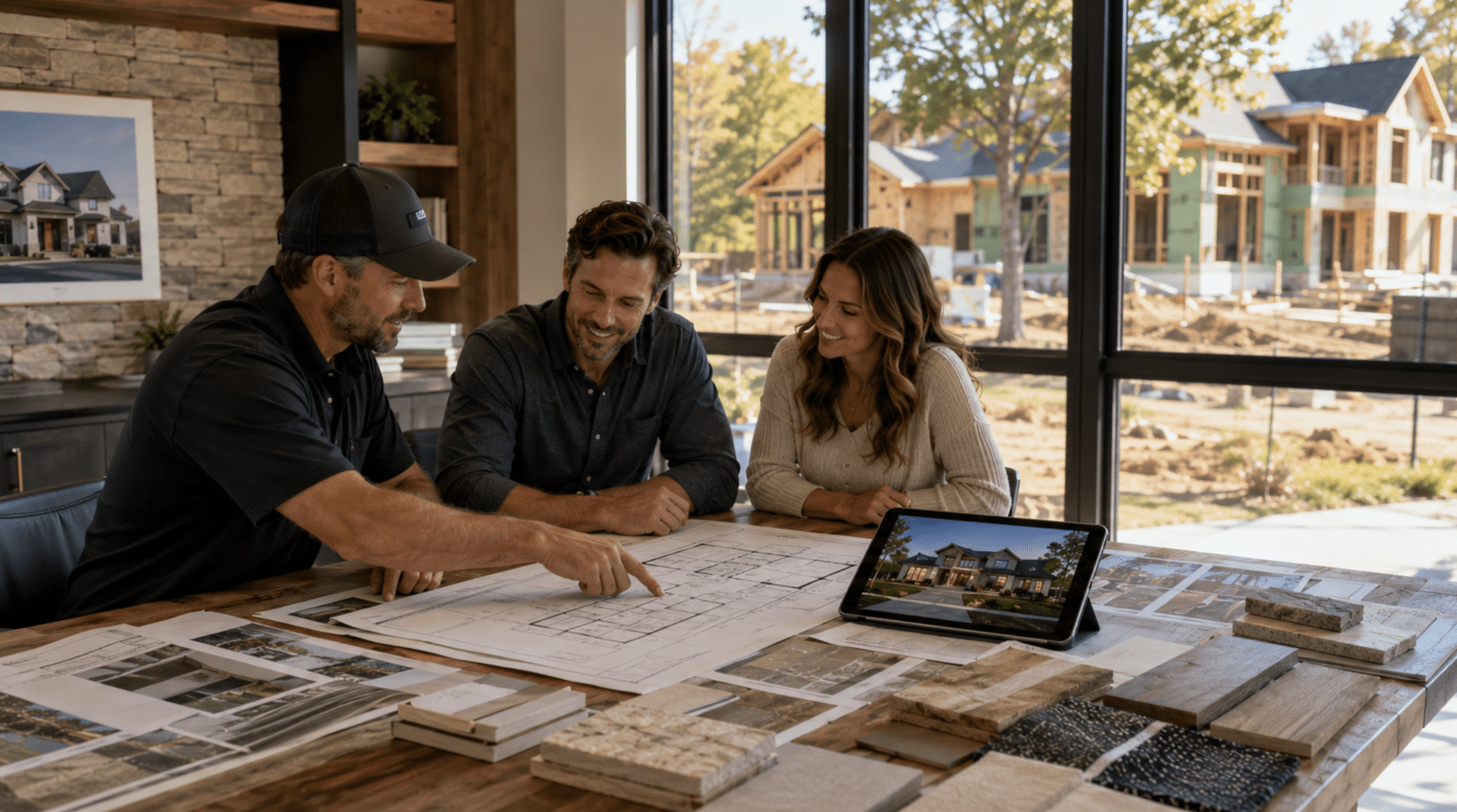
Introduction Relocating to Bentonville for a new job, a career opportunity, or a company transfer often means making important housing decisions before you ever arrive. If you’re moving from another state and considering a custom home, you may be wondering how to manage the building process from hundreds of miles away. Many relocating buyers share the same concerns. How do you choose a builder you can trust? How do you stay informed when you can’t visit the homesite every week? How do you make design decisions, monitor progress, and keep your move on track at the same time? These are practical questions, especially when you’re coordinating both a home build and a relocation. The good news is that many families successfully begin planning and building before they arrive in Northwest Arkansas. With clear communication, regular progress updates, and a builder who remains accessible throughout the project, building a custom home remotely can be a practical way to settle into Bentonville with a home designed around your family’s needs from day one. Why People Are Moving to Bentonville?   Many families relocating to Bentonville are moving for career opportunities with employers such as Walmart and Sam’s Club, as well as companies that support Northwest Arkansas’ growing business community. Others are relocating after accepting new positions, corporate transfers, or remote-work opportunities that allow them to choose where they live. For many of these buyers, the move involves more than finding a house. They’re looking for a home that supports how they live and work today. Dedicated home offices, flexible guest space for visiting family, additional storage, and functional outdoor living areas are common priorities for households relocating from out of state. Building a custom home gives you the opportunity to plan those features from the beginning rather than compromising on an existing floor plan. If you’re still evaluating communities, our guide on where to build your custom home around Bentonville compares several Bentonville-area locations, lot types, and lifestyle considerations that can help narrow your search. Once you’ve identified where you’d like to live, the next question is whether you can begin the building process before you arrive in Northwest Arkansas. Can You Build Before You Arrive? In many cases, yes. Many families relocating to Bentonville begin planning their custom home while they are still living in another state. Early stages of the process—including builder consultations, homesite evaluations, floor plan reviews, budgeting discussions, and design meetings—can often be handled remotely. A typical relocation-focused build process may include: Initial consultation and project planning Homesite selection and evaluation Floor plan customization Budget and finish selections Construction updates and milestone reviews Final walkthrough and move-in coordination Building remotely does require additional planning. You may not be available to visit a property, review site conditions, or make selections in person as often as a local buyer. Because of that, it’s important to establish clear communication early and understand which decisions require homeowner approval during construction. Many relocating buyers begin the process well before their move date so lot selection, design decisions, financing, and construction timelines can be coordinated more effectively. If you’re still evaluating costs, our guide on what it costs to build a custom home in Bentonville explains the factors that can influence your overall project budget. Managing a Remote Build A successful remote build depends on more than occasional check-ins. When you’re relocating to Bentonville from another state, clear communication and timely decision-making become especially important because you may not be able to visit the homesite regularly. Before construction begins, it’s helpful to understand how updates will be shared, when homeowner decisions will be needed, and who your primary point of contact will be throughout the project. Setting those expectations early can help reduce uncertainty and make the process easier to manage from a distance. As you evaluate builders, ask how they handle homeowner communication during construction. Depending on the builder’s process, this may include: Scheduled phone or video meetings Progress photos and construction updates Milestone reviews throughout the build Digital document sharing and approvals Virtual discussions for major design decisions You’ll also remain involved at key decision points, including floor plan adjustments, exterior materials, cabinetry, flooring, countertops, lighting selections, and other finish details. While building remotely does require trust and coordination, consistent communication can help you stay informed and confident throughout the process. The next step is choosing a builder who provides clear communication, direct access, and a hands-on approach from start to finish. Choosing a Builder You Can Trust From Afar   When you’re relocating to Bentonville and building a custom home at the same time, choosing the right builder becomes one of the most important decisions you’ll make. You’re not just evaluating floor plans, pricing, or craftsmanship—you’re choosing a team that will help guide the project while you’re living somewhere else. Because you won’t always be able to visit the homesite in person, pay close attention to how a builder communicates during the early stages of the process. The responsiveness, clarity, and transparency you experience before construction begins often provide a good indication of how communication will be handled throughout the project. Before selecting a builder, consider asking: Who will be my primary point of contact? How are project updates typically communicated? How are design changes or homeowner decisions handled? How do you keep out-of-state homeowners informed? What happens if construction schedules need to be adjusted? At Silver Field Construction, we believe homeowners should understand what’s happening with their project and what decisions are coming next. Clear communication, realistic expectations, and direct access to the people managing your build can make a significant difference when you’re coordinating a move and a custom home project at the same time. If you’re evaluating lots from another state, our guide to permits and lot prep in Benton County explains some of the site-planning considerations that can affect a project’s timeline before construction begins. What to Expect From an NWA Build If you’re relocating to Bentonville from another part of the country, it’s helpful to
Home Builders

Permits & Lot Prep in Benton County: A Pre-Build Guide

Introduction Building a custom home starts long before excavation, concrete, or framing begins. Before construction can move forward, you’ll need to understand how your lot, permits, utilities, and site conditions may affect the project. For homeowners planning to build in Bentonville or elsewhere in Benton County, questions about building permits, perc tests, utility access, easements, setbacks, and inspections often come up early in the process. These requirements can feel overwhelming, especially if you’ve never built a home before. The good news is that most of these steps follow a predictable process when they’re addressed early. An experienced local builder can help identify potential issues before they become delays, whether that’s a utility concern, a septic requirement, or a site-preparation challenge. This guide walks through the key permit and lot-readiness considerations homeowners should understand before building a custom home in Benton County, helping you make informed decisions before construction begins. The Bentonville and Benton County Permit Process   Before construction begins, you’ll typically need permits and approvals that allow your project to move forward. The exact requirements depend on where the property is located and how the lot will be developed. A homesite within Bentonville city limits may follow different review requirements than a property located in unincorporated Benton County, which is why it’s important to understand local jurisdiction early in the planning process. While every custom home project is different, the permit process generally follows a similar sequence: Evaluate the lot and confirm buildability. This includes reviewing utility access, drainage conditions, easements, setbacks, septic requirements if applicable, and other site-specific factors that could affect construction. Prepare construction and site plans. Home plans, lot layouts, and supporting documents are typically finalized before permit applications are submitted. Submit plans for review. Depending on the property’s location, plans may be reviewed by the appropriate local jurisdiction before approvals are issued. Receive permits and approvals. Once required reviews are completed, construction can move forward. Schedule inspections throughout construction. Various inspections are typically required during the building process to verify that work is completed according to applicable requirements. Permit requirements can vary based on the property’s location, utility availability, site conditions, septic considerations, and the overall scope of the home being built. Because local procedures and requirements can change, homeowners should verify current information before starting construction. Before permits can move forward, it’s important to make sure the lot itself is ready for development. That starts with understanding the property’s physical characteristics and any conditions that could affect your build. Inspections Along the Way: What Homeowners Should Expect Once permits are in place and construction begins, inspections are typically conducted at key stages of the building process. These inspections help verify that work is completed according to approved plans and applicable requirements before the next phase of construction moves forward. While inspection requirements can vary based on the property’s location and the scope of the project, homeowners can generally expect inspections to occur throughout major construction milestones. Common inspection stages may include: Foundation and sitework inspections before major structural work begins. Framing inspections after the home’s structural components are in place. Mechanical, electrical, and plumbing inspections as building systems are installed. Final inspections before the home is ready for occupancy. The exact inspection sequence depends on the jurisdiction, the home’s design, and site-specific conditions. Properties with septic systems, utility extensions, or unique site requirements may involve additional reviews during the construction process. For homeowners, the most important thing to understand is that inspections are a normal part of building a custom home. Working with a builder who coordinates inspections and communicates progress along the way can help keep the project moving smoothly from one phase to the next. Perc Tests and Septic Systems: When They’re Needed on Northwest Arkansas Lots Not every homesite in Benton County has access to a municipal sewer system. If you’re purchasing a rural property or building outside areas served by public sewer infrastructure, a septic system may be required. Before a septic system can be approved, the property may need a perc test to evaluate whether the soil can properly absorb and filter wastewater. A perc test, or percolation test, measures how quickly water moves through the soil. The results help determine whether the property is suitable for a septic system and what type of system may be appropriate. Soil conditions can vary significantly across Northwest Arkansas, which means septic suitability should never be assumed based on neighboring properties or previous land use. Understanding septic requirements before purchasing land can help you avoid costly surprises later in the planning process. A lot that appears build-ready may still require additional evaluation before a septic system can be approved, particularly on rural properties where public sewer service is unavailable. Because perc testing is an important part of evaluating many Northwest Arkansas homesites, it’s worth understanding how the process works before committing to a property. Our guide on perc tests for Arkansas land provides a closer look at what the test measures, when it’s typically required, and how the results can affect your building plans. Easements and Setbacks: What They Mean for Your Buildable Area Before purchasing land in Benton County, it’s important to understand that not every part of a lot can necessarily be built on. Easements and setbacks can affect where a home, garage, driveway, shop, or other improvements can be placed. Common restrictions include: Utility easements for water, sewer, electric, gas, or communication lines. Drainage easements that help manage stormwater across a property. Access easements that allow utility providers or neighboring property owners to access a designated area. Building setbacks, which establish minimum distances between structures and property lines, roads, or other designated features. Together, these restrictions determine the property’s buildable area. A lot may appear large enough for a specific floor plan or outdoor living space, but easements and setbacks can reduce the portion of the property available for construction. Before finalizing a homesite or house plan, review the property’s survey and plat information carefully. Identifying easements and

Home Builders

Where to Build Your Custom Home Around Bentonville, AR

Introduction One of the biggest decisions you’ll make during the custom home building process happens before you ever choose a floor plan: deciding where to build. The best location isn’t just about finding an available lot. It’s about finding a community that fits your lifestyle. Some homeowners prioritize proximity to Downtown Bentonville, Bentonville schools, and major employers throughout Northwest Arkansas. Others are looking for larger homesites, wooded surroundings, access to the Razorback Greenway, or convenient access to the region’s trail systems and outdoor recreation. If you’re researching where to build in Bentonville or comparing communities such as Bella Vista, Centerton, Cave Springs, and Rogers, it’s important to think beyond the property itself. Your daily commute, school preferences, lot characteristics, privacy, and long-term plans can all influence which area is the best fit for your home. In this guide, we’ll look at some of the most popular areas around Bentonville and what makes each one unique from a custom home building perspective. Bentonville Proper: Close to Work, Dining, and Downtown Life   For many buyers, Bentonville remains the benchmark for where to build in Northwest Arkansas. The city combines access to Bentonville Public Schools, major employers, Downtown Bentonville, and year-round community amenities, making it one of the region’s most competitive housing markets. One of Bentonville’s biggest advantages is convenience. Living near Bentonville Square places homeowners close to local restaurants, coffee shops, community events, and the Razorback Greenway. Many residents value the ability to reach work, schools, parks, and recreational amenities without a lengthy commute. From a building perspective, Bentonville offers a mix of established neighborhoods and newer residential growth areas. Established parts of the city often feature mature trees, established streetscapes, and limited lot availability. Newer developments may provide updated infrastructure and additional building opportunities, but available homesites can move quickly due to continued demand. Because Bentonville remains one of the most sought-after locations in Northwest Arkansas, lot prices are often higher than those in nearby communities such as Centerton or Cave Springs. Buyers frequently balance proximity to Downtown Bentonville with lot size, privacy, and overall budget. Bentonville may be a good fit if you: Want convenient access to Downtown Bentonville and Bentonville Square Prefer a shorter commute to major Northwest Arkansas employers Value access to the Razorback Greenway and community amenities Prioritize location and convenience over maximizing lot size For homeowners who want to be close to schools, employers, trails, and everyday conveniences, Bentonville continues to be one of the most desirable places to build in Northwest Arkansas. Bella Vista: Natural Beauty, Trails, and Larger Lots If you’re looking for a homesite with more privacy and natural surroundings, Bella Vista is often one of the first areas worth considering. Located just north of Bentonville, the community offers a mix of wooded lots, established neighborhoods, and convenient access to many of Northwest Arkansas’s most popular outdoor amenities. Bella Vista is known for destinations such as the Back 40 Trail, Blowing Springs Park, Lake Bella Vista, and several golf courses throughout the community. For homeowners who enjoy hiking, cycling, fishing, or spending time outdoors, these amenities are often a major reason to consider building in the area. From a builder’s perspective, the character of the lot is often what makes Bella Vista unique. Many homesites feature mature trees, rolling terrain, and additional privacy compared to lots closer to Downtown Bentonville. Those same characteristics can also affect site preparation. Tree clearing, grading, drainage planning, and foundation design may play a larger role depending on the property. Bella Vista may be a good fit if you: Prefer larger or more wooded homesites Want convenient access to trails, lakes, and outdoor recreation Value privacy while remaining close to Bentonville Appreciate a neighborhood setting that feels connected to the surrounding landscape For many homeowners, Bella Vista offers the opportunity to build near Bentonville while enjoying a quieter setting, larger lots, and a lifestyle centered around the outdoors. Centerton and Cave Springs: Growing Communities With New Opportunities   Centerton and Cave Springs have become popular choices for buyers who want to build near Bentonville while exploring additional homesite options. Both communities have experienced significant residential growth in recent years, creating more opportunities for new construction throughout the area. One reason homeowners consider these communities is lot availability. Compared to some parts of Bentonville, buyers may find more recently developed homesites and newer residential developments. Depending on the location, larger lots may also be available while maintaining convenient access to Bentonville and Rogers. Location remains a major advantage. Communities along Arkansas Highway 102 provide access to employment centers, schools, shopping, and everyday services throughout Northwest Arkansas. Many homeowners appreciate being close to Bentonville without living directly in one of the region’s most competitive housing markets. Centerton and Cave Springs may be a good fit if you: Want convenient access to Bentonville and Rogers Prefer newer residential developments Need additional homesite options Want to balance location, lot size, and budget For buyers comparing where to build around Bentonville, Centerton and Cave Springs are often worth considering because they combine continued growth, newer housing opportunities, and convenient access to the rest of Northwest Arkansas. Rogers: Amenities, Schools, and Regional Access Rogers is often considered by buyers who want flexibility in both location and homesite options. Positioned between Bentonville and the rest of Northwest Arkansas, the city provides access to major employers, established neighborhoods, and many of the everyday services families rely on. One advantage of Rogers is its combination of residential communities and commercial amenities. Residents have convenient access to destinations such as Pinnacle Hills, the Walmart AMP, Mercy Hospital Northwest Arkansas, and a wide range of shopping, dining, and recreational facilities. For many families, having schools, healthcare, and daily necessities nearby is an important factor when choosing where to build. Location also plays a major role. Rogers provides access to Interstate 49, making travel to Bentonville, Springdale, and other Northwest Arkansas communities relatively straightforward. Depending on where you work and spend most of your time, Rogers can offer

Home Builders

What It Really Costs to Build a Custom Home in Bentonville, AR

Introduction If you’re researching the cost to build a house in Bentonville, AR, you’ve probably realized that getting a straight answer isn’t easy. Many articles throw out numbers without explaining where they come from, while others avoid talking about costs altogether. The truth is that every custom home is different. Your lot, floor plan, site conditions, and finish selections all play a role in the final cost of your home. But that doesn’t mean you should start the process without a realistic idea of what to expect. This guide focuses specifically on Bentonville and Northwest Arkansas in 2026. That’s important because the cost to build a house in Northwest Arkansas is often higher than in many other parts of the state due to continued population growth, strong housing demand, and competition for available lots. Rather than promising a fixed price, we’ll walk you through the factors that influence custom home costs in Bentonville so you can build a realistic budget and make informed decisions from the start. What Custom Building Costs in Northwest Arkansas Right Now   The question we hear most often is simple: “What does it cost to build a custom home in Northwest Arkansas?” The cost to build a house in Bentonville and the surrounding Northwest Arkansas region depends on factors such as home size, design complexity, site conditions, and finish selections. While every project is different, many custom homes in the area fall within a construction cost range of $170 to $250 per square foot (confirm with client before publication). Many new custom home projects in Bentonville start in the $350,000 to $950,000 range, with larger homes, premium lots, and higher-end finishes increasing the overall investment. Really the slope of the land is the big one. It can add 50-150k just for a 10ft elevation difference. Its a solid idea to always add a bonus room over the garage whenever possible as that is your cheapest per sqft place to build. For example: A 2,000-square-foot home will have a different budget than a 4,000-square-foot home with larger living spaces and more custom features. A straightforward floor plan is generally more cost-efficient to build than a highly customized design with multiple rooflines, vaulted ceilings, or specialty rooms. A build-ready lot with utility access often requires less investment than a wooded, sloped, or undeveloped homesite. Compared to many other parts of Arkansas, the cost to build a house in Northwest Arkansas is often higher. Bentonville continues to experience strong population growth, ongoing business investment, and increased demand for available lots, all of which can influence both land and construction costs. Especially the mountainous terrain and difficulty of acquiring permits in city limits and certain HOA’s. A permit is even required outside the city all through out Beton county. It’s also important to understand what a cost-per-square-foot figure includes. Depending on the builder, that number DOES NOT include land acquisition or financing. It generally DOES include plan modifications, site preparation, utility extensions, permits, or certain finish upgrades. That’s why square-foot pricing should be viewed as a quick and dirty estimate to get the conversation going. The exact same 3000sqft house with luxury items could add 120k in finishes vs standard finishes. One reason these ranges are often higher than other Arkansas markets is Bentonville’s combination of continued growth, strong housing demand, and limited availability of buildable lots in desirable areas. Really its the land cost, permits and rising cost of living forcing labor prices up. Several factors influence custom home pricing in Northwest Arkansas. Home Size and Complexity: Square footage matters, but complexity often matters just as much. A straightforward one-story home may cost less to build than a smaller home with custom architectural details, complex rooflines, or specialized structural features. Lot Characteristics: A flat lot with existing utility access is typically easier and less expensive to build on than a property requiring significant grading, excavation, retaining walls, or utility extensions. Finish Selections: Cabinetry, flooring, countertops, lighting, appliances, and other finish selections can significantly affect the overall cost of your home. More customized materials and higher-end finishes generally require a larger investment than standard selections. Why Bentonville Costs More Than Many Other Arkansas Markets? Northwest Arkansas has experienced significant growth over the past several years, and Bentonville remains one of the region’s most active housing markets. If you’re researching the cost to build a house in Bentonville, it’s important to understand the local factors that can influence pricing compared to many other areas of Arkansas. Demand from New Residents and Regional Employers: Bentonville continues to attract new residents because of strong job opportunities and ongoing economic growth throughout Northwest Arkansas. As more people move to the area, demand for housing increases, creating greater competition for both existing homes and new construction. Limited Availability of Buildable Lots: In many desirable Bentonville neighborhoods, buildable lots can be difficult to find. As available land becomes more limited, lot prices often increase. For custom home buyers, the cost of the land itself can become a significant part of the overall project budget. Site Development and Land Preparation Costs: Not every homesite is ready for construction. Depending on the property, additional work may be needed before building can begin. Grading, tree clearing, drainage improvements, utility connections, and driveway installation can all add to the total cost of a custom home project. Strong Construction Activity Across Northwest Arkansas: Residential and commercial development continues across Bentonville, Rogers, Springdale, and Fayetteville. Ongoing construction activity creates steady demand for skilled labor, subcontractors, and building materials, which can influence both pricing and project timelines. In many established Bentonville neighborhoods, available lots can be difficult to find. If you’re still evaluating communities and homesites, our guide to the best areas to build a custom home around Bentonville can help you compare locations across Northwest Arkansas. Where Your Custom Home Budget Goes Many homeowners focus on the house itself, but the cost to build a house in Bentonville includes much more than materials and labor. Understanding where your budget goes

Scroll to Top